
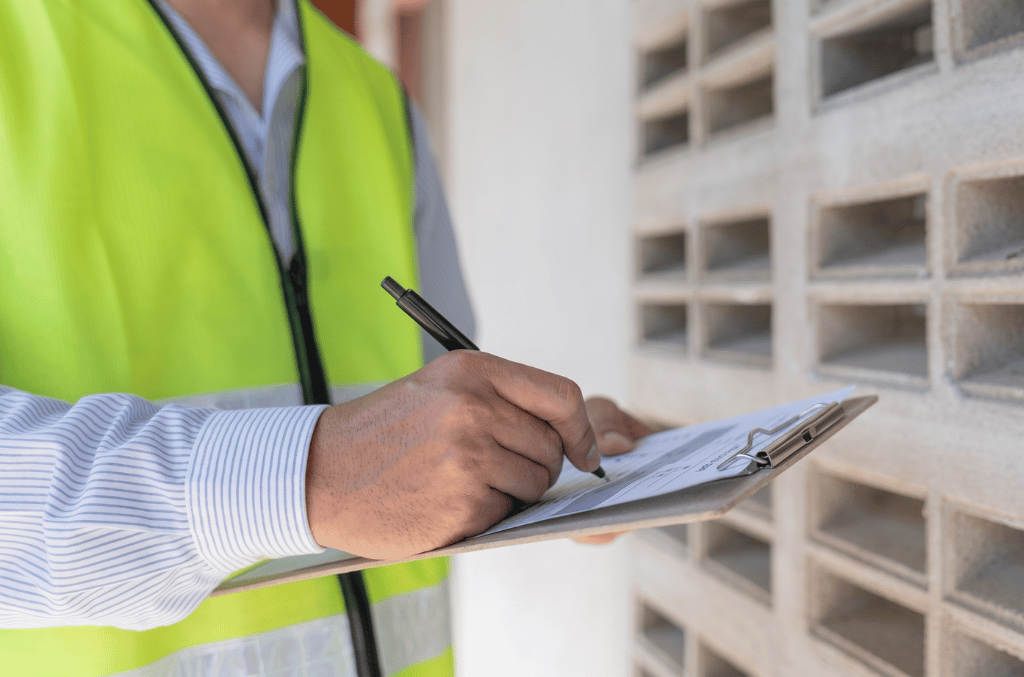
For property managers and investors, staying up to code isn’t just a regulatory checkbox — it’s one of the most direct ways to protect asset value and avoid costly liability down the road. SB721 balcony and elevated walkway inspections, along with façade repair requirements, come with strict deadlines set by the city and state. Missing them doesn’t just risk fines; it can trigger increased insurance scrutiny, delayed refinancing, and even forced vacancies if a structure is deemed unsafe. Treating compliance as a proactive priority, rather than a reactive scramble, is what separates well-managed portfolios from the ones constantly playing catch-up.
Façade repairs, in particular, tend to get pushed back because they’re seen as cosmetic rather than urgent or safety. In reality, deferred façade issues — cracked stucco, failed waterproofing, compromised structural elements — almost always get worse, and worse means more expensive. What starts as a contained repair can turn into a full structural correction if left unaddressed for another inspection cycle. Addressing these issues on schedule, with the right scope from the start, is consistently the more cost-effective path over the life of a building.
The difference between a compliance project that goes smoothly and one that drains your budget and your patience almost always comes down to who’s executing it. An experienced partner brings the right scope the first time, coordinates directly with inspectors and engineers, and keeps property managers informed throughout the project— avoiding the change orders, delays, and disputes that come from inexperienced execution. At Redlog, we specialize in exactly this: SB721 and façade compliance work in occupied multifamily buildings, delivered on time, on budget, and minimizing disruption to the people who live there. If your building has an upcoming deadline, the smartest move is getting ahead of it now, not after the notice arrives.